IIEA Irish Presidency Hub | IIEA
Hit enter to search or ESC to close

IIEA Irish Presidency Hub

Ireland will assume the Presidency of the Council of the European Union from 1 July 2026 to 31 December 2026.  


Throughout Ireland’s six-month term, the IIEA will publish extensive analysis of key issues for Ireland’s Presidency, and organise relevant events with policymakers, experts and thought leaders from Ireland and across the EU. This aligns with our mission to promote understanding of the European and geopolitical context for decision-making by policy-makers, organisations, and individuals, and in turn help to inform and shape Ireland’s strategic direction and future. 


Our EU Presidency Hub aims to bring you all the latest information and analysis related to the Irish Presidency.  


Scroll down to read more about the role of the Presidency, how it works in practice, the significance of the Ireland–Lithuania–Greece Trio, and the issues likely to shape Ireland’s term in office.  

What is the Presidency of the Council of the EU and why does it matter?

What is the Presidency of the Council of the EU and why does it matter?

The Presidency of the Council of the European Union rotates between the EU’s Member States every six months. The Member State holding the Presidency helps to coordinate the work of the Council, facilitate negotiations between governments, and contribute to the advancement of EU legislation. 
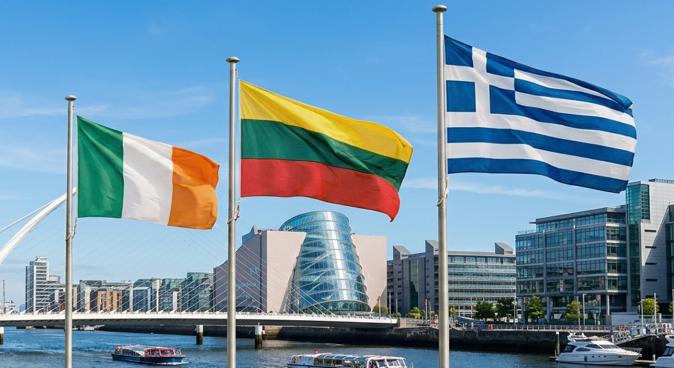
How does the Presidency work in practice? What is the ‘Trio’?

How does the Presidency work in practice? What is the ‘Trio’?

The Presidency is a significant organisational and diplomatic effort by the Member State holding office. The Presidency is responsible for chairing meetings of the Council, coordinating negotiations between Member States, and helping to manage legislative files across a wide range of policy areas. 

What issues might define the Irish Presidency?

What issues might define the Irish Presidency?

The Irish Presidency programme is organised around three central themes: competitiveness, security, and values. These priorities will shape Ireland’s six-month term against a backdrop of continuing geopolitical and economic uncertainty across Europe and internationally.