

COP 29 in Baku: An Assessment
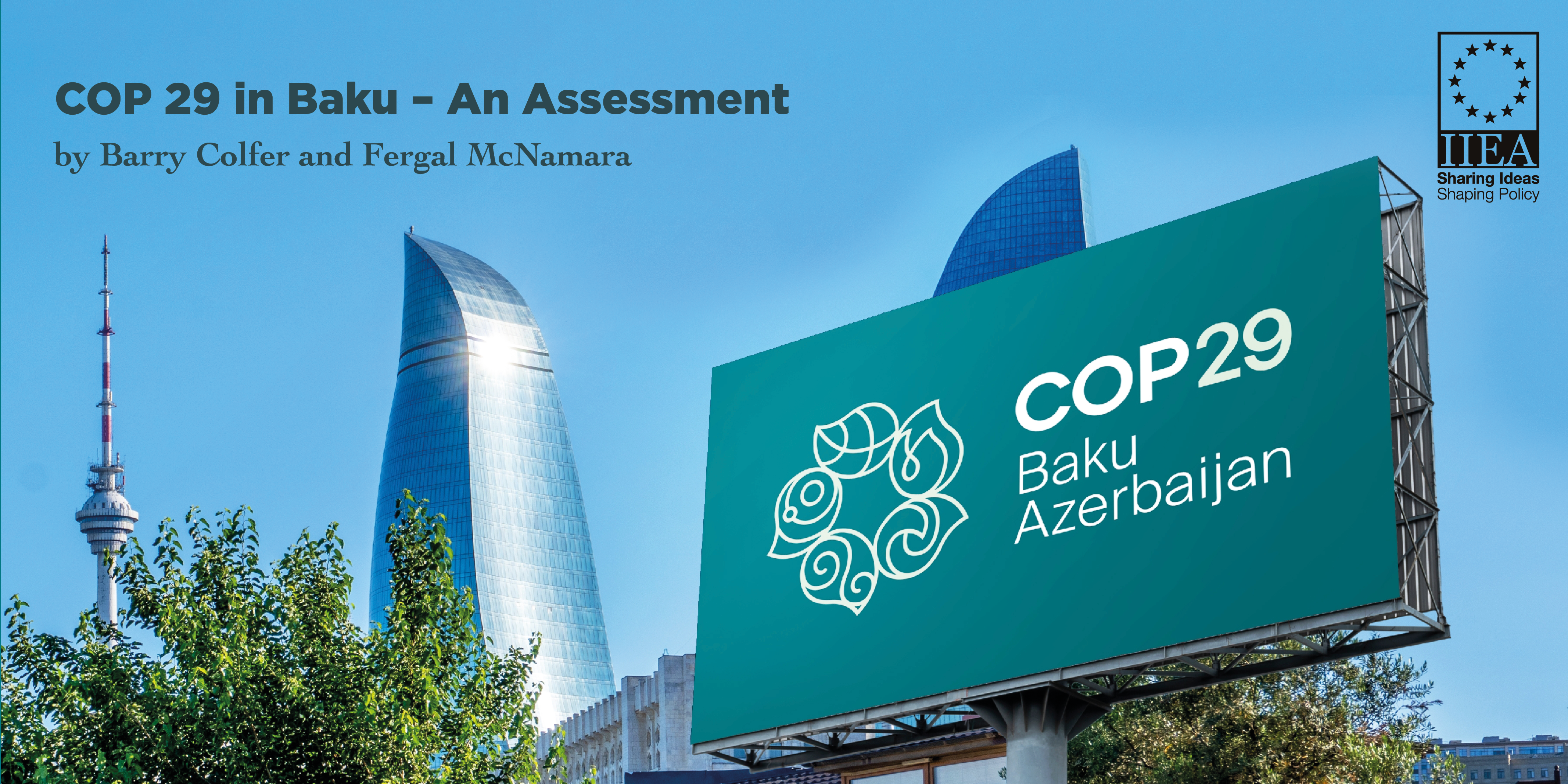
Each year since 1995, the annual United Nations Climate Change Conference (UNCCC) has taken place in a different city. The conference occurs within the auspices of the United Nations Framework Convention on Climate Change (UNFCCC) and is commonly referred to as COP (the Conference of the Parties).
The first COP was convened in Berlin in 1995 and set about trying to establish a legally binding framework for developed countries to reduce greenhouse gas emissions. The landmark Paris Climate Agreement was agreed at COP 21 as the culmination of negotiations from 2011–2015, a part of the Durban platform designed to forge a more effective path towards meaningful climate action and mitigation
The latest edition, COP 29, took place in Baku, Azerbijan, in November 2024. With a central focus on climate finance, the Agreement ultimately reached at the conference will, in the words of the UN: “Triple finance to developing countries, from the previous goal of USD 100 billion annually, to USD 300 billion annually by 2035”.
This paper reviews some of the main outcomes and matters arising from the meeting in Baku. It considers factors including the role of the presidency, the potential impact of a new US administration for climate mitigation, and whether this should be seen as a ‘stepping stone’ COP en route to the next meeting . The paper also takes stock of the overall usefulness of the COP process and looks ahead to COP 30 taking place in Belém, Brazil, in November 2025, which will mark the 10th anniversary of the Paris Agreement,
Authors:
Barry Colfer, IIEA Director of Research
Fergal McNamara, Co-chair of the IIEA Climate & Energy Group