
The European Union in 12 Objects 8. A Safe
Bobby McDonagh, Former Ambassador to the EU and UK, has developed a series of blogs, to explain what the European Union is and how it works. The publication of this blog series by the IIEA will be phased over 12 weeks, each dealing with one of the 12 Objects. Find out more here.
Important values lie at the heart of the European Union. I have therefore chosen a safe to symbolise those values because of the importance of protecting them.
Article 2 of the Treaty on European Union (TEU) summarises the values of the European Union:
“The Union is founded on the values of respect for human dignity, freedom, democracy, equality, the rule of law and respect for human rights, including the rights of persons belonging to minorities. These values are common to the Member States in a society in which pluralism, non-discrimination, tolerance, justice, solidarity and equality between women and men prevail.”
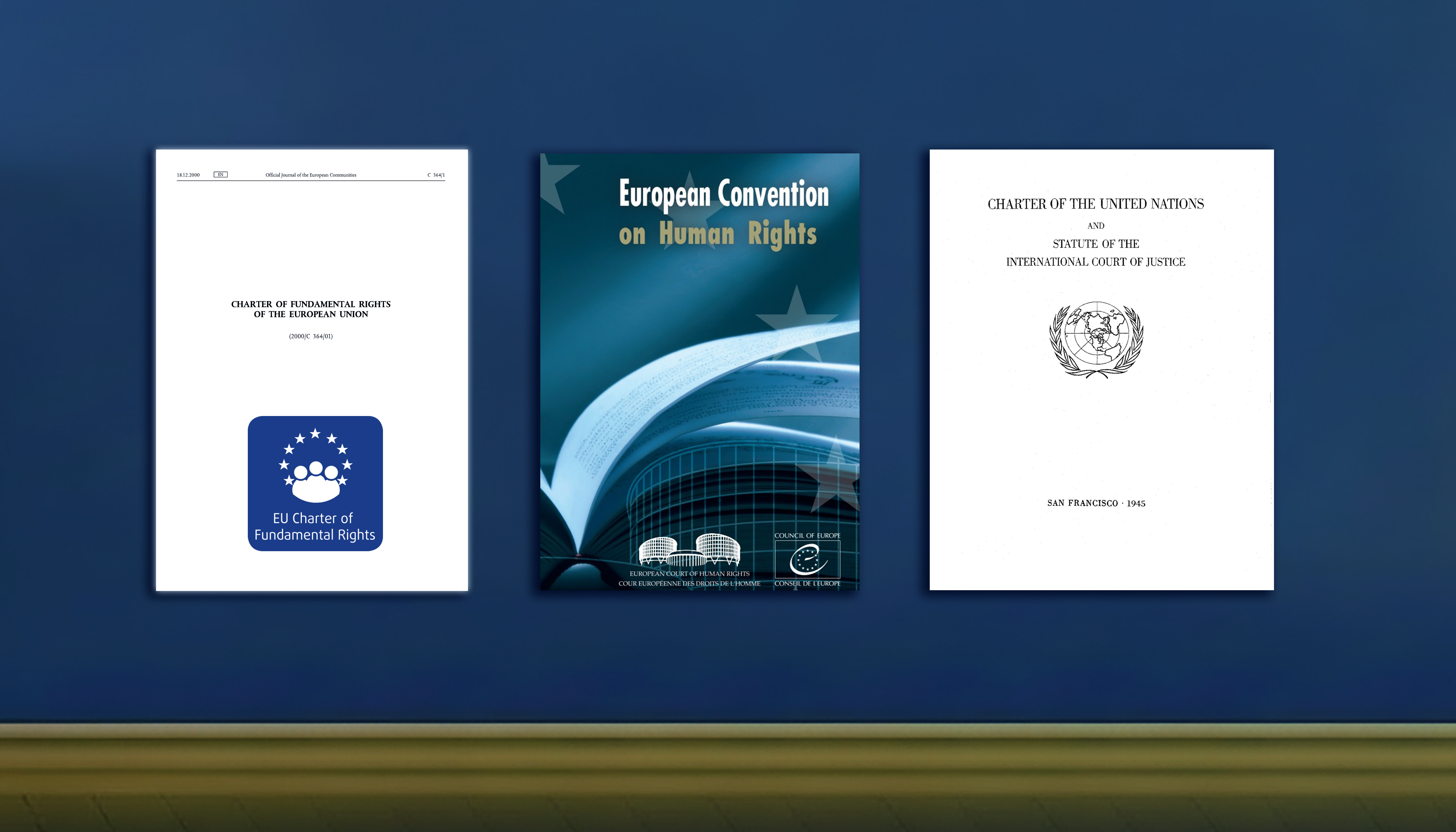
In 2009, the European Union adopted a Charter of Fundamental Rights designed to further promote human rights in the EU. The Charter brings together many rights that had already been set out in the EU Treaties, in the European Convention on Human Rights, in the national constitutions of Member States and in the case law of the European Court of Justice. It must be respected by the European Institutions and by the Member States when they are implementing European law.
The EU’s commitment to its fundamental values is not limited to the aims set out in the EU Treaty or to the aspirations contained in the Charter of Fundamental Rights. Aims and aspirations are the easy bit. After all, many authoritarian countries and dubious democracies around the world pay lip service, including sometimes explicitly in their constitutions, to values and rights that they haven’t the slightest intention of respecting. Governments that lock up their citizens without justification often pontificate about human rights. Countries that invade their neighbours still speak, without apparent irony, about their commitment to international law.
The European Union attaches real importance, in practice as well as in theory, to respect for the values on which the common European endeavour is founded, including respect for human rights.
The European Commission is responsible for ensuring that the EU Treaties, in all their dimensions, are respected. The European Court of Justice is the ultimate arbiter in guaranteeing that that is the case.
 Source: Adobe Stock - Credit olrat - stock.adobe.com
Many specific EU policies are directed towards the protection and promotion of its values, including for example:
-
Promoting non-discrimination and equal treatment on the basis of sex, race, or ethnic origin, religion or belief, disability, age or sexual orientation
-
Promoting freedom of expression
-
Empowering civil society as well as EU citizens and consumers
The European Union also prioritises its values in its external relations. Article 3 of the TEU provides that, in its relations with the wider world, the EU will contribute “to the eradication of poverty and the protection of human rights, in particular the rights of the child, as well as to the strict observance and the development of international law, including respect for principles of the United Nations Charter.” Article 21 of the TEU refers further to the principles inspiring the Union’s external action, including democracy, the rule of law, and the universality and indivisibility of human rights.
Thus the European Union, and its Member States, work hard both to promote their shared values internally and to project them externally.
As indicated in Blog 6, the EU doesn’t always get things right and sometimes makes mistakes, often because many specific actions, including in the foreign policy area, require the unanimous agreement of all Member States, or because of failures at national level.
However, there can be little doubt that there are few countries in the world where citizens can be as confident about the protection of their rights and the rule of law as they are in the European Union.
Similarly, there are few international actors who could claim to be as committed as the European Union to promoting human rights, democracy and the rule of law, or as effective in doing so. The EU’s inadequate response to Gaza represents a serious anomaly.
The European Union’s values face very significant challenges of which the following three stand out.
First, internally, a few Member States have challenged the functioning of their own national democracy, the independence of their judiciary and the domestic rule of law. Thus they risk undermining the EU’s fundamental values and purpose. It is not easy for the EU as a whole to act in such cases. Paradoxically, its attachment to the rule of law makes it difficult for the EU to take decisive action against threats to the rule of law in an individual Member State. Given its attachment to the rule of law, the European Union has no alternative to respecting its own complex and binding decision-making procedures that often provide for no easy solution. It is also aware that many of the citizens of the countries in question remain attached to the EU and its values. Patience is, however, wearing increasingly thin, notably with the present Hungarian Government, and the stakes are getting higher.
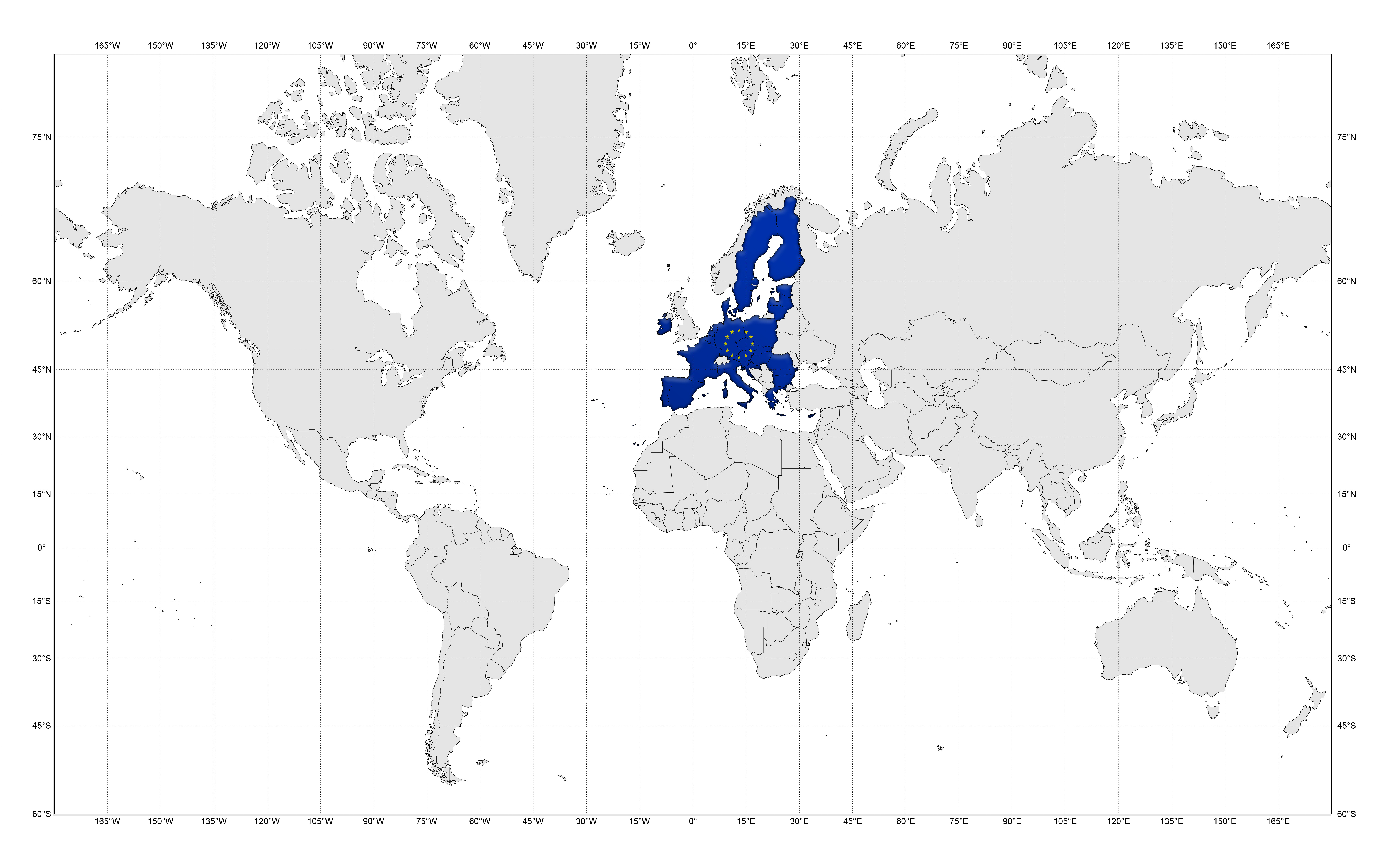
Second, as regards the further enlargement of the EU, protection of the EU’s values are an essential consideration. Although the Union has coped well with its enlargement thus far from 6 to 27 countries, the accession of more countries will pose huge further challenges, especially at a time of significant instability on the European continent. There are currently ten countries involved in an accession process for possible eventual membership of the EU. The EU’s values represent one of the principal attractions of EU membership for the countries concerned, and the EU, for its part, will attach particular priority to ensuring that any new Member State is totally committed to and able to deliver on the EU’s values, including the rule of law.
Third, as regards external action, the EU is bound by its Treaties and rules to act unanimously. One Member State alone, legally, can block decisions designed to reflect and implement Europe’s values. This can be seen, for example, in the Hungarian Government’s foot-dragging on measures in response to Russia’s invasion of Ukraine. The unanimity required for foreign policy decisions also means that a minority of Member States have been able to block the European Union’s assertion of its values in relation to the war crimes and gross abuse of human rights in Gaza.
Europe’s values are its most precious commodity. Without them, Europe could still perhaps continue to function after a fashion and to promote certain practical interests abroad. However, without its values, Europe would lose it purpose and direction as well as the support of its citizens. The world would be a poorer and more dangerous place.
Both outside and inside the European Union, there are those who despise Europe’s values and work to undermine them. A strong safe to keep them in is therefore a symbol of the European Union. The safe is, of course, only a symbol of safe keeping. Europe’s values are not to be hidden away but to be asserted confidently and proudly.